
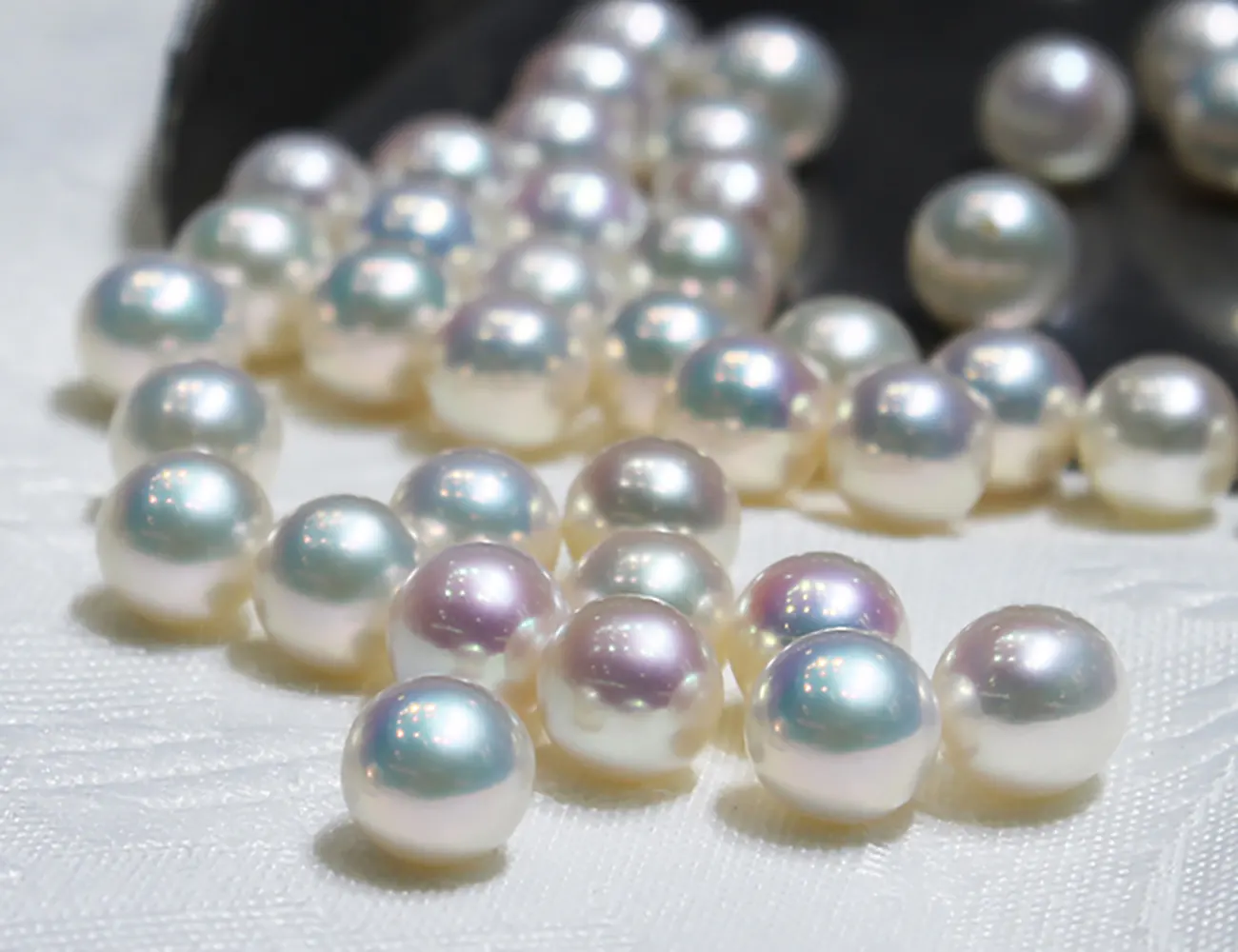
Not all pearls are created equal, and that’s where grading comes in. When experts assess a strand or a single gem, they’re looking at more than just color or size. Good pearl grading considers several traits that work together to determine overall quality and value.
If you’ve ever wondered why one pearl costs much more than another that looks similar at a glance, the answer is usually in the details. Here’s what jewelers actually look for.
Surface Quality
One of the first things checked is the pearl’s surface. The fewer the blemishes, the higher the value. Common marks include tiny pits, spots, or wrinkles. A pearl doesn’t have to be flawless, but fewer imperfections usually make it more desirable.
That said, a couple of small flaws won’t ruin a pearl’s appeal. It’s more about the overall look and how noticeable the marks are from a normal viewing distance.
Luster
This is what gives a pearl its glow. Luster refers to how light reflects off the surface and through the layers of nacre. A pearl with strong luster will have a bright, mirror-like shine. One with dull or chalky appearance won’t stand out as much.
Strong luster makes the pearl appear more vibrant and gives it that deep, almost glowing quality. This trait often has the biggest impact on visual appeal.
Shape
While round pearls are often considered the most classic, they’re not the only valuable shape. Near-round, oval, and even baroque (irregular) shapes can all be graded highly, especially if they have good luster and surface quality.
Perfectly round pearls are rare and harder to farm consistently. That rarity tends to drive up price, but beauty can be found across all shapes.
Size
Larger pearls are generally worth more, especially if they maintain good quality across other categories. But size alone doesn’t determine value. A large pearl with poor surface or weak luster might be worth less than a smaller, brighter one.
Most jewelers measure size in millimeters. Even a difference of one or two millimeters can shift the price significantly, especially in matched strands.
Color and Overtone
Pearls come in a variety of natural colors, from white and cream to pink, gold, silver, and black. The color itself doesn’t always affect value unless it’s especially rare or in demand.
What matters more is how even the color is and whether it suits the piece it’s in. Many pearls also have overtones, which are subtle hints of color that show on the surface when the light hits just right. A rose or green overtone, for example, can enhance the overall look.
Matching
When pearls are part of a necklace, bracelet, or pair of earrings, how well they match each other becomes important. Jewelers check for uniformity in shape, color, luster, and size. Perfectly matched pieces require more time and care to assemble, which adds to the value.
Grading pearls isn’t about finding the one perfect gem. It’s about understanding how each quality fits together to create something beautiful. Knowing what to look for helps you make better choices, whether you’re buying one pearl or an entire strand.