

Jewelry has been worn for thousands of years as a symbol of identity, status, emotion, and artistry. From minimalist everyday pieces to elaborate heirlooms, jewelry continues to evolve while preserving its cultural and personal significance. Today, it stands at the intersection of fashion, craftsmanship, and self-expression.
The Enduring Significance of Jewelry
Jewelry is more than decoration. Across civilizations, it has carried deep meaning, often reflecting beliefs, milestones, and social roles.
Why Jewelry Holds Value Beyond Appearance
-
Emotional connection tied to memories, relationships, and achievements
-
Cultural symbolism passed down through generations
-
Artistic craftsmanship showcasing skill and creativity
-
Personal identity expressed through design choices
Whether gifted or self-purchased, jewelry often becomes a lasting reminder of meaningful moments.
Types of Jewelry and Their Uses
Jewelry comes in many forms, each serving a distinct purpose while complementing personal style.
Common Jewelry Categories
-
Rings – Represent commitment, achievement, or fashion statements
-
Necklaces – Enhance outfits and draw attention to the neckline
-
Bracelets – Add subtle elegance or bold character to the wrist
-
Earrings – Frame the face and elevate everyday looks
-
Pendants and charms – Carry personal or symbolic meaning
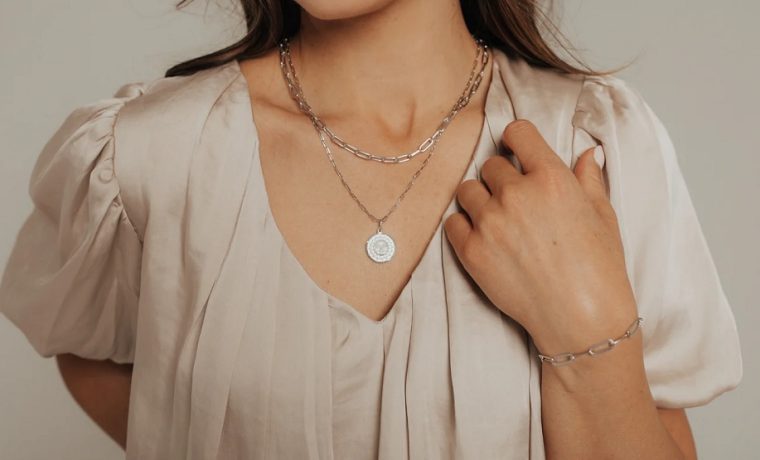
Each piece can be worn individually or layered for a more expressive appearance.
Materials That Define Jewelry Quality
The materials used in jewelry directly influence its durability, appearance, and value.
Popular Jewelry Materials
-
Gold – Classic, corrosion-resistant, and available in yellow, white, and rose tones
-
Silver – Affordable, versatile, and ideal for modern designs
-
Platinum – Highly durable and prized for fine jewelry
-
Gemstones – Add color, rarity, and individuality
-
Diamonds – Known for brilliance, strength, and timeless appeal
The combination of metal and stone plays a crucial role in both aesthetics and longevity.
Craftsmanship and Design Evolution
Jewelry design reflects changing tastes, technologies, and lifestyles. While traditional techniques remain respected, modern innovations have expanded creative possibilities.
How Jewelry Design Has Changed
-
Handcrafted methods blended with precision technology
-
Increased demand for custom and personalized designs
-
Growing interest in ethical sourcing and sustainability
-
Minimalist styles gaining popularity alongside bold statement pieces
Despite trends, well-crafted jewelry remains timeless when built on quality and intention.
Choosing the Right Jewelry for Any Occasion
Selecting jewelry involves balancing style, comfort, and context.
Tips for Smart Jewelry Selection
-
Match metals to skin tone and wardrobe preferences
-
Choose lightweight pieces for daily wear
-
Reserve intricate or gemstone-heavy jewelry for special events
-
Invest in versatile designs that transition from day to night
The right jewelry enhances confidence without overwhelming the wearer.
Caring for Jewelry to Preserve Its Beauty
Proper care ensures jewelry maintains its brilliance for years.
Essential Jewelry Care Practices
-
Store pieces separately to prevent scratches
-
Clean gently using appropriate solutions for each material
-
Remove jewelry before swimming or heavy activity
-
Schedule professional inspections for valuable items
Consistent care protects both sentimental and monetary value.
Jewelry as a Personal Statement
In today’s world, jewelry reflects individuality more than status. People increasingly choose pieces that align with their values, stories, and aesthetics.
From subtle accents to bold designs, jewelry continues to serve as a powerful form of self-expression, blending tradition with modern identity.
Frequently Asked Questions (FAQs)
What is the difference between fine jewelry and fashion jewelry?
Fine jewelry is made from precious metals and gemstones, while fashion jewelry uses less expensive materials designed mainly for style rather than longevity.
How can I tell if jewelry is authentic?
Look for hallmarks, certifications, and purchase from reputable sellers. Professional appraisal is the most reliable method.
Is handmade jewelry more valuable than mass-produced jewelry?
Handmade jewelry often carries higher artistic and emotional value due to craftsmanship, though material quality also affects worth.
How often should jewelry be professionally cleaned?
Once or twice a year is ideal for fine jewelry, especially pieces with gemstones or intricate settings.
Can jewelry lose value over time?
Yes, depending on market demand, condition, and material quality, though sentimental value often remains unchanged.
What jewelry styles are suitable for everyday wear?
Simple rings, stud earrings, delicate necklaces, and lightweight bracelets are ideal for daily use.
Why is ethical jewelry becoming more popular?
Consumers are increasingly aware of environmental and social impact, leading to higher demand for responsibly sourced materials.