
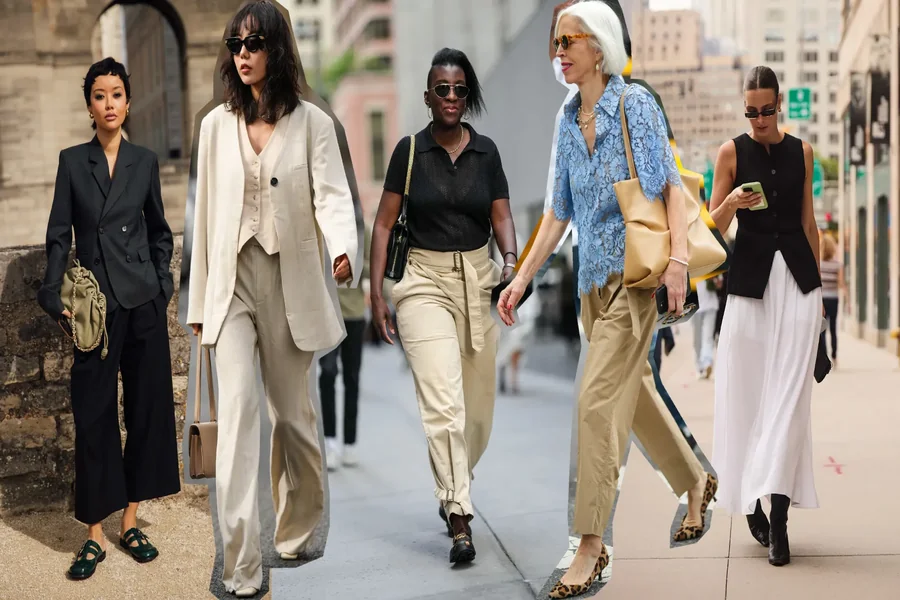
Clothing is more than a basic human necessity—it is a powerful form of expression, protection, and cultural identity. From everyday casual wear to ceremonial garments, what we choose to wear reflects our lifestyle, environment, and personal values.
The Purpose of Clothing
At its core, clothing serves multiple essential functions that go far beyond appearance.
Protection and Comfort
Clothing shields the body from environmental elements such as heat, cold, rain, and wind. The right garments also reduce friction, prevent injuries, and support physical comfort during daily activities.
Identity and Expression
Fashion allows individuals to communicate personality, beliefs, and social belonging. Colors, patterns, and silhouettes often signal mood, profession, or cultural background.
Cultural and Social Significance
Traditional clothing preserves heritage and history, while modern styles reflect evolving social norms and trends.
Types of Clothing
Clothing can be categorized based on function, occasion, and lifestyle needs.
Everyday Wear
These are practical garments designed for daily use, prioritizing comfort and ease of movement.
-
T-shirts, jeans, casual dresses
-
Loungewear and athleisure
-
Simple footwear and accessories
Formal and Professional Wear
Designed for workplaces and formal events, these clothes emphasize structure and elegance.
-
Suits, blazers, and dress shirts
-
Formal dresses and skirts
-
Polished shoes and minimal accessories
Seasonal Clothing
Different seasons demand specific fabrics and designs.
-
Summer: Lightweight, breathable materials like cotton and linen
-
Winter: Insulating fabrics such as wool, fleece, and layered outfits
-
Rainy seasons: Water-resistant outerwear and durable footwear
Activewear and Sportswear
These garments are engineered for performance and flexibility.
-
Moisture-wicking fabrics
-
Stretchable materials
-
Breathable and lightweight designs
Fabrics and Materials
The fabric choice significantly impacts comfort, durability, and sustainability.
Natural Fabrics
-
Cotton: Soft, breathable, and versatile
-
Wool: Warm, insulating, and moisture-resistant
-
Silk: Smooth, lightweight, and luxurious
Synthetic Fabrics
-
Polyester: Durable and wrinkle-resistant
-
Nylon: Strong and lightweight
-
Spandex: Highly elastic and flexible
Blended fabrics combine the best qualities of both natural and synthetic fibers.
The Rise of Sustainable Clothing
As awareness grows, sustainable fashion has become a major focus in the clothing industry.
Key Principles of Sustainable Clothing
-
Ethical labor practices
-
Eco-friendly materials
-
Reduced waste and recycling
-
Long-lasting, timeless designs
Consumers increasingly favor quality over quantity, choosing garments that have a lower environmental impact.
Choosing the Right Clothing
Selecting the right clothing involves balancing style, comfort, and practicality.
Tips for Smart Clothing Choices
-
Prioritize fit and comfort over trends
-
Choose fabrics suitable for your climate
-
Invest in versatile, mix-and-match pieces
-
Consider durability and care requirements
Building a thoughtful wardrobe saves money and reduces unnecessary consumption.
Clothing and Personal Style
Personal style evolves with age, lifestyle, and confidence. Rather than following every trend, developing a signature look creates consistency and self-assurance. Clothing that aligns with personal values often feels more authentic and empowering.
Frequently Asked Questions (FAQs)
1. How can I build a versatile wardrobe with limited pieces?
Focus on neutral colors, classic cuts, and items that can be layered or styled in multiple ways.
2. What fabrics are best for sensitive skin?
Natural fabrics like cotton, bamboo, and silk are generally gentler and less irritating.
3. How often should clothing be replaced?
Replace clothing when it no longer fits, functions properly, or shows excessive wear that affects comfort or appearance.
4. Is sustainable clothing more expensive?
While initial costs may be higher, sustainable clothing often lasts longer, making it cost-effective over time.
5. How do I care for clothes to extend their lifespan?
Follow care labels, wash in cold water when possible, avoid over-drying, and store garments properly.
6. What is the difference between fashion and style?
Fashion refers to current trends, while style is a personal and consistent way of dressing.
7. Can clothing affect confidence and mood?
Yes, wearing well-fitted and comfortable clothing can positively influence mood, posture, and self-confidence.