


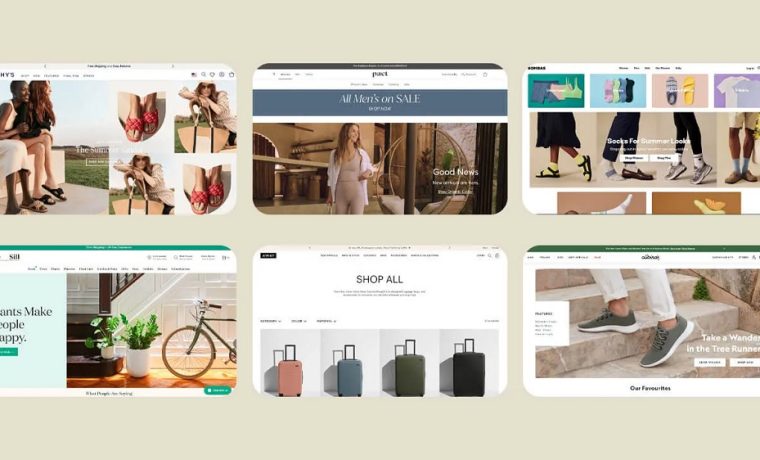
An online shop is a digital marketplace where products or services are bought and sold through the internet. It has become a core part of modern retail, enabling businesses to operate without physical boundaries and allowing customers to shop with ease, speed, and flexibility.
As technology continues to shape consumer behavior, understanding how online shops function is essential for both buyers and sellers.
What Is an Online Shop?
An online shop is a web-based platform that displays products, processes payments, and manages orders electronically. It serves the same purpose as a traditional store but operates entirely online.
Customers can browse items, compare prices, read descriptions, and complete purchases without visiting a physical location.
How Digital Buying and Selling Platforms Work
Online shopping platforms follow a structured workflow designed to ensure smooth transactions:
-
Products are displayed with images, pricing, and descriptions
-
Customers add items to a virtual shopping cart
-
Secure checkout systems process payments
-
Orders are confirmed and prepared for delivery
-
Products are shipped or digitally delivered
This automated flow reduces manual effort while improving accuracy and efficiency.
Key Benefits of Online Shops for Customers
Digital buying platforms offer several advantages that attract millions of users daily:
-
Convenience – shop anytime without travel
-
Wide variety – access local and global products
-
Easy price comparison – find better deals quickly
-
Time efficiency – faster purchasing process
-
Access to reviews – informed buying decisions
These benefits make online shops a preferred choice for modern consumers.
Advantages of Online Shops for Businesses
For sellers, online platforms open doors to scalable growth:
-
Lower operating costs than physical stores
-
Global reach without geographic limitations
-
Data-driven insights into customer behavior
-
Automated inventory and order management
-
Flexible marketing options through digital channels
Online shops allow businesses to adapt quickly to market trends and customer demands.
Essential Features of a Successful Online Shop
A well-performing online shop includes the following elements:
User-Friendly Interface
Clear navigation, simple menus, and fast-loading pages enhance the shopping experience.
Mobile Compatibility
With most users shopping on smartphones, mobile optimization is critical.
Secure Payment Gateways
Multiple safe payment options increase trust and reduce abandoned carts.
High-Quality Visuals
Sharp product images and videos help customers make confident purchases.
Clear Policies
Transparent shipping, return, and refund policies build credibility.
Types of Online Buying and Selling Platforms
Online shops come in various formats based on business goals:
-
Single-brand stores selling their own products
-
Multi-vendor marketplaces hosting multiple sellers
-
Dropshipping platforms with third-party fulfillment
-
Digital product stores offering downloads or subscriptions
Choosing the right platform depends on resources, target audience, and product type.
Common Challenges in Online Shopping Platforms
Despite their benefits, online shops face certain challenges:
-
Establishing trust without physical interaction
-
Managing shipping and logistics efficiently
-
Handling returns and customer complaints
-
Competing in crowded digital markets
Addressing these issues with strong systems and customer support improves long-term success.
Future of Digital Buying and Selling Platforms
Online shops continue to evolve with personalization, automation, and faster payment technologies. Consumers now expect seamless experiences, quick delivery, and tailored recommendations.
As internet usage grows worldwide, digital buying and selling platforms will remain a dominant force in global commerce.
Frequently Asked Questions (FAQ)
1. What is required to create an online shop?
You need products, a selling platform, payment processing, and a delivery system.
2. Are online shopping platforms secure?
Yes, most use encryption and secure payment gateways to protect customer data.
3. Can beginners run an online shop successfully?
Yes, many platforms offer tools designed for users with minimal technical skills.
4. How do online shops handle customer payments?
Payments are processed through secure gateways supporting cards, wallets, and bank transfers.
5. What makes an online shop trustworthy?
Clear policies, secure payments, customer reviews, and transparent communication.
6. Do online shops work for niche markets?
Yes, niche-focused online shops often perform very well with targeted audiences.
7. How long does it take to build an online shop?
Depending on complexity, it can take anywhere from a few hours to several weeks.