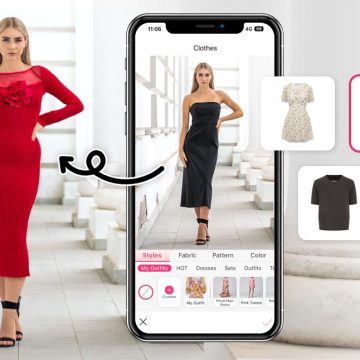



Virtual try-on technology has emerged as one of the most transformative innovations in the fashion e-commerce landscape. As online shopping continues to grow, brands are increasingly adopting augmented reality (AR) and artificial intelligence (AI) tools that allow customers to visualize clothing, footwear, and accessories on themselves before making a purchase. This shift is redefining consumer expectations, improving product confidence, and reshaping the way retailers present their collections.
The Evolution of Virtual Try-On Technology
Virtual try-on began as a novelty, but rapid advancements in AR and machine learning have elevated it to a practical and highly accurate digital experience. These tools now recognize body shapes, adjust fabric drape, and map accessories with impressive realism.
Key Innovations Behind the Technology
- 3D body scanning that produces near-accurate digital avatars
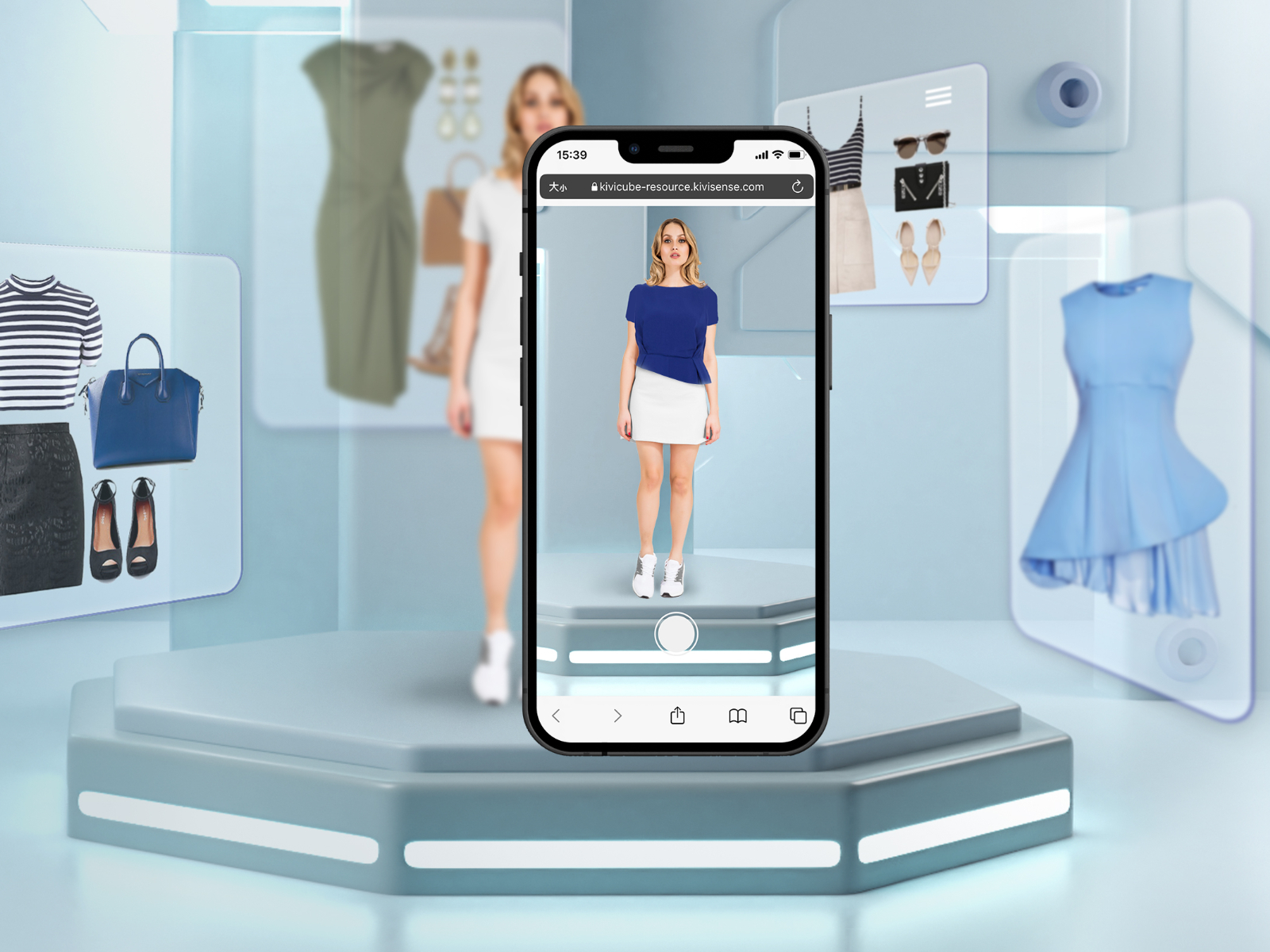
- AR overlays showing real-time clothing alignment
- AI-driven size predictions based on body metrics and previous purchases
- Advanced face-mapping used for eyewear, makeup, and jewelry try-ons
As accuracy improves, consumers are increasingly trusting the technology to guide their purchase decisions.
Enhancing Customer Confidence in Online Shopping
One of the biggest barriers in online fashion shopping is uncertainty about fit and appearance. Virtual try-on technology helps bridge this gap by giving shoppers a clearer sense of how items will look on them.
How It Boosts Shopper Confidence
- Realistic previews that reduce guesswork
- Ability to compare sizes and styles instantly
- Better understanding of color, texture, and proportions
- More transparency in product presentation
With fewer surprises upon delivery, customers feel more secure moving from browsing to checkout.
Reducing Return Rates and Environmental Impact
High return rates have long plagued fashion e-commerce, often due to sizing issues or misunderstanding product appearance. Virtual try-on tools help address this problem by enabling more informed purchases.
Benefits for Retailers and the Environment
- Lower return rates due to accurate sizing
- Fewer logistics emissions from shipping and reshipping
- Reduced waste from unsellable returned items
- Streamlined inventory management
This technology not only improves customer satisfaction but also supports more sustainable retail operations.
Making Online Shopping More Engaging
Virtual try-on has introduced a level of interactivity that traditional shopping cannot replicate. The tech adds an element of playfulness and exploration that keeps shoppers engaged for longer.
Engagement Features Shoppers Love
- Trying multiple outfits in seconds
- Sharing virtual looks on social media
- Styling complete outfits without entering a store
- Personalized recommendations based on previous try-ons
This enhanced digital experience blends entertainment and practicality, especially appealing to younger shoppers.
Empowering Retailers With Data-Driven Insights
Virtual try-on solutions generate valuable data on customer preferences, helping retailers refine product design, marketing strategies, and inventory planning.
Insights Gained Through Virtual Try-On Usage
- Popular styles and sizing trends
- Items commonly tried together
- Fit issues identified across demographics
- Engagement levels for specific product categories
Data-driven decision-making helps brands stay aligned with evolving consumer needs.
The Future of Virtual Try-On in Fashion E-Commerce
The next wave of innovation will focus on improving realism, expanding product categories, and offering fully immersive shopping environments.
Future Developments to Expect
- Hyper-realistic avatars with precise fabric behavior
- Full-body virtual try-on for complete outfits
- Integration with virtual stores in the metaverse
- Advanced personalization based on lifestyle and preferences
As these advancements unfold, virtual try-on will become an expected feature rather than a premium add-on.
FAQs
1. How accurate is virtual try-on technology today?
Current systems offer strong visual accuracy, especially for accessories and eyewear, and continue improving for apparel as body-mapping technology evolves.
2. Do virtual try-on tools require special devices?
Most tools work on standard smartphones with a camera, while more advanced features may perform better on AR-enabled devices.
3. Can virtual try-on help with choosing the right clothing size?
Yes. Many platforms combine visual try-on with AI-driven size recommendations for more precise fit suggestions.
4. Is virtual try-on available for all types of clothing?
It is most common for items like tops, dresses, footwear, and accessories, but full-body try-ons are becoming increasingly available.
5. Do virtual try-on tools store personal images?
Reputable platforms anonymize or avoid storing images altogether, but privacy policies vary by brand.
6. How does virtual try-on technology affect product returns?
It significantly reduces returns by helping customers make more confident and accurate decisions before purchasing.
7. Will virtual try-on replace in-store fitting rooms?
Not entirely. It complements physical shopping but offers a convenient alternative for online buyers.