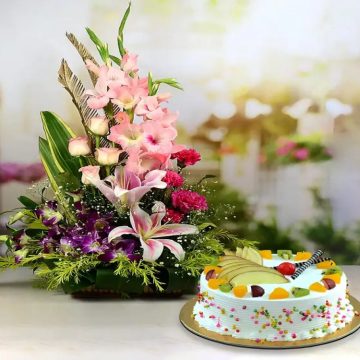



A gift is more than a physical object. It represents emotion, intention, and connection between people. Whether given to celebrate a milestone, express gratitude, or strengthen relationships, gifting plays a meaningful role across cultures and generations.
This article explores the true meaning of gifts, their importance, popular types, and how to choose the perfect one without unnecessary complexity.
What Is a Gift?
A gift is something voluntarily given to another person without expecting payment or return. It can be tangible, such as an object, or intangible, such as time, effort, or experiences.
Gifts are commonly exchanged during:
-
Celebrations and festivals
-
Personal milestones
-
Professional or social occasions
-
Moments of appreciation or sympathy
At its core, gifting is a form of communication.
Why Gifts Matter
Gifts carry emotional value that often outweighs their monetary worth. A thoughtful gift can strengthen bonds, repair relationships, and create lasting memories.
Emotional Significance of Gifting
-
Expresses feelings when words fall short
-
Builds trust and connection
-
Creates shared memories
-
Makes recipients feel valued and seen
In many cultures, gifting is deeply tied to respect, tradition, and social harmony.
Types of Gifts
There is no single definition of a perfect gift. The right choice depends on the recipient, occasion, and intent.
Common Categories of Gifts
-
Personal gifts – Customized items, handwritten notes, keepsakes
-
Practical gifts – Useful items for daily life
-
Luxury gifts – High-end or premium products
-
Experiential gifts – Travel, events, classes, or activities
-
Symbolic gifts – Items with cultural or emotional meaning
Each category serves a different purpose and audience.
How to Choose the Right Gift
Choosing a gift becomes easier when you focus on the recipient rather than trends or price.
Key Factors to Consider
-
Recipient’s personality and interests
-
Occasion and cultural context
-
Your relationship with the recipient
-
Practicality vs. sentiment
-
Budget and presentation
A modest but thoughtful gift often leaves a stronger impression than an expensive yet impersonal one.
The Role of Presentation in Gifting
Presentation influences how a gift is received. Packaging, timing, and delivery all contribute to the experience.
Simple Ways to Improve Presentation
-
Use clean, elegant wrapping
-
Add a personal message or card
-
Choose appropriate colors for the occasion
-
Present the gift at the right moment
A well-presented gift enhances anticipation and emotional impact.
Modern Trends in Gifting
Gifting habits continue to evolve with lifestyle changes and technology.
Popular Gifting Trends Today
-
Personalized and customized items
-
Experience-based gifts over physical products
-
Eco-friendly and sustainable gifts
-
Digital gifts and subscriptions
-
Minimalist and meaningful gifting
Modern gifting focuses more on intention and relevance than excess.
Common Gifting Mistakes to Avoid
Even well-meaning gifts can miss the mark if certain pitfalls aren’t considered.
-
Ignoring cultural or personal preferences
-
Choosing generic items without thought
-
Overemphasizing price instead of meaning
-
Forgetting presentation or timing
-
Giving gifts that create obligation
Awareness helps ensure your gift is received positively.
FAQs About Gifts
What makes a gift truly meaningful?
A gift becomes meaningful when it reflects genuine thought, effort, and understanding of the recipient.
Is an expensive gift always better?
No. Emotional value and relevance matter far more than price.
Are experiences better than physical gifts?
For many people, experiences create longer-lasting memories, but preferences vary.
How can I personalize a gift without spending much?
Adding a handwritten note, customization, or selecting something aligned with personal interests makes a big difference.
Is it acceptable to give practical gifts?
Yes, especially when practicality aligns with the recipient’s needs and lifestyle.
What is the best way to give a gift professionally?
Keep it neutral, appropriate, and thoughtful, avoiding overly personal or extravagant items.
Can a gift be non-material?
Absolutely. Time, support, help, or shared experiences can be some of the most valued gifts.