
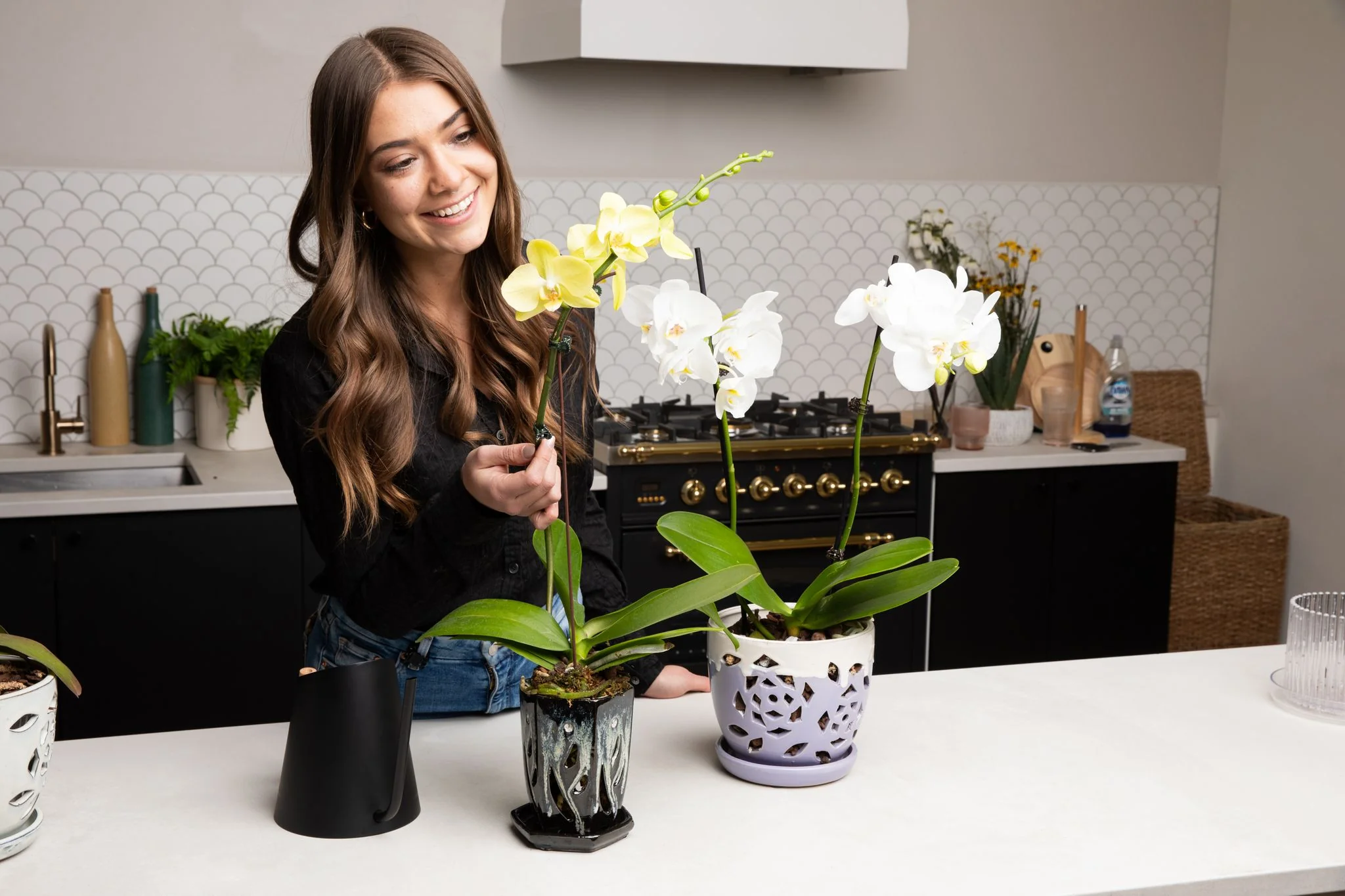
If you’ve spent any time in Thailand, you’ve probably seen orchids hanging off balconies, trees, or even shop signs. They’re everywhere, and once you start growing them, it’s easy to see why. They don’t need much space, and when they bloom, they look amazing. You don’t need to be a gardening expert either. A few simple habits go a long way. Anyone curious about a Thailand orchids farm or just looking to try it at home can give it a shot.
The first thing is choosing the type. Not all orchids are the same. Dendrobiums are a solid pick for beginners. They’re pretty chill and don’t freak out if you forget to water for a day or two. Vandas look a bit fancier and need more light, but they’re also quite common in Thai gardens.
Orchids don’t like full sun. If you stick them right in it, their leaves might start going yellow. A bit of shade or filtered light is usually better. Somewhere bright but not burning hot. Hanging them from a tree works great. If they start looking pale or floppy, try moving them and see what happens.
Watering is easy once you get the feel for it. In the dry season, you might need to water more often. In the rainy season, maybe not at all. The main thing is not to let the roots sit in water. They like to dry out in between. If the roots look green and plump, you’re probably doing fine. If they go mushy, that’s too much.
Don’t plant them in soil. They’ll rot. Use coconut husk, bits of charcoal, or something chunky that drains well. Plastic pots with holes are fine. You don’t need anything fancy. A few holes in a basket or even an old fruit crate works too.
Feeding? Sure, but don’t stress. Some people give fertiliser twice a month. Others barely bother. They’ll survive either way. If you want more flowers, a bit of diluted feed now and then helps. If they’re just growing leaves, that’s fine too. They’ll get around to blooming when they feel like it.
Airflow matters. If they’re crammed together or stuck in a corner with no breeze, stuff can start growing where it shouldn’t. You don’t want mould or bugs. If you’ve got a fan nearby, cool. If not, just space them out a little. Outside, they usually get enough wind on their own.
Every now and then, check under the leaves. Mealybugs or tiny webs can show up. You can wipe them off with a damp cloth or spray a bit of soapy water. Nothing high-tech needed. Catching problems early is easier than fixing them later.
Orchids don’t rush. Sometimes they bloom fast, sometimes not. Some people go months without a single flower and then suddenly get five at once. It’s random, but that’s part of the fun. If the leaves are firm and the roots look okay, they’re doing their thing.
Repotting? Once in a while. Maybe every couple of years. If the stuff in the pot breaks down or the roots are spilling over, swap it out. Don’t expect them to bloom right after. They need time to get settled again.
You don’t need a huge garden. Even a balcony or windowsill works. Hang them up, forget about them for a few days, check in, and enjoy the process. Some people start with one and end up with ten. That’s just how it goes.
In Thailand, orchids are part of the background. But once you start growing them yourself, you begin to notice how much character each one has. Some bloom like clockwork. Others keep you guessing. Either way, it’s worth it.